The Observatory
Fire on the far coast: how to watch a Florida launch
Artemis II, a record year of launches and the three places to stand at Kennedy Space Center.
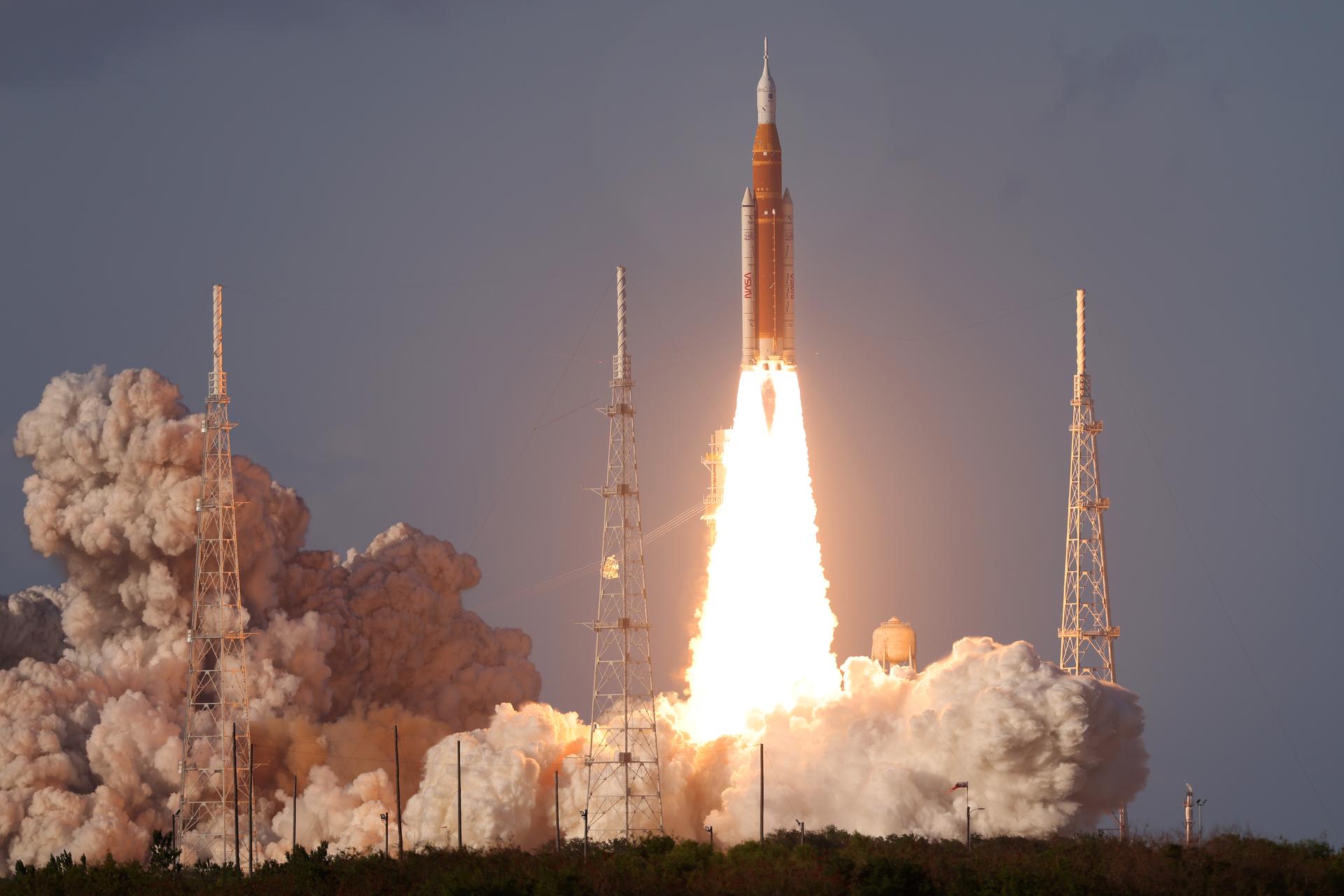
Photo Credit
Image courtesy of © NASA/Michael DeMockerNaples looks out over the Gulf; the rockets rise from the Atlantic side of the state, at Kennedy Space Center and Cape Canaveral Space Force Station. Here is how to watch one properly, from the viewing areas, distances and rules to the missions themselves, checked against NASA’s, the Space Force’s and the Kennedy Space Center Visitor Complex’s own pages in November 2026.
The busiest coast in the sky
At 6:35pm on 1 April 2026, NASA’s Space Launch System lifted off from Launch Complex 39B at Kennedy Space Center, and four people left for the Moon. Artemis II, the first crewed mission of the Artemis campaign, carried NASA astronauts Reid Wiseman, Victor Glover and Christina Koch with Jeremy Hansen of the Canadian Space Agency on a free-return path that loops around the Moon and comes home without entering lunar orbit.
They splashed down in the Pacific off San Diego on 10 April, and NASA says the flyby set a new record for the farthest humans have travelled from Earth, passing the mark Apollo 13 set in 1970. Apollo 13 travelled that far by necessity; Artemis II went on purpose, and came home on schedule.
Not every launch is that grand, but there are a great many of them. The US Space Force says Cape Canaveral Space Force Station and the Eastern Range hosted 109 orbital launches in 2025, after a record 93 in 2024, which makes a rocket on the Space Coast less a once-in-a-lifetime event than a regular appointment. With launches so frequent, the Kennedy Space Center Visitor Complex notes, you may simply catch one during your visit.
Three places to stand
The Visitor Complex offers launch viewing behind NASA’s gates for rockets from Kennedy and the neighbouring Space Force Station. At the main complex, on the North Atlantis Lawn next to Space Shuttle Atlantis, bleachers and a lawn with few obstructions face pads roughly 6.7–7.5 miles away, with live commentary; you see the rocket once it clears the tree line, and the sound arrives a little after the light.
The Banana Creek viewing area beside the Apollo/Saturn V Center looks across the creek to the pads, about 3.9 miles from Launch Complex 39A. Closest of all is the Gantry at LC-39, about 2.3 miles from the Atlas V pad at Space Launch Complex 41 and 3.4 miles from the Falcon 9 pad at Space Launch Complex 40. It is sold in addition to daily admission, and stays shut for launches from LC-39 itself: there is close, and there is too close.
Space Launch Complex 40 is the pad NASA’s Crew-9 mission left from on 28 September 2024, when a Falcon 9 carried NASA astronaut Nick Hague and Roscosmos cosmonaut Aleksandr Gorbunov towards the International Space Station. The Gantry, the Visitor Complex says, is the closest viewing area to the pads on Cape Canaveral Space Force Station, with shaded seating, bleachers, a lawn and a small deck: the front row for a show whose stage is on fire.
Apollo 13 travelled that far by necessity; Artemis II went on purpose, and came home on schedule.
Seats in every area are first come, first served. You park, pass security at the front entrance and ride the complex’s buses to the special viewing areas; driving yourself is not allowed. Whether a launch is offered at all depends on its window and pad, the complex’s own operations, the expected public interest and approval from Space Force Range Safety and NASA, so a rocket on the calendar is not yet a seat in the bleachers.
Before you drive across
The Moon is still on the Space Coast’s calendar. On 7 November 2026 the Artemis III astronauts joined a parade at the Visitor Complex, with the Viera High School Marching Hawks from Melbourne in step, and the complex’s Holidays in Space Drone Show Spectacular runs from 20 to 30 December 2026, for anyone who would rather their lights in the sky came with a soundtrack and no countdown.
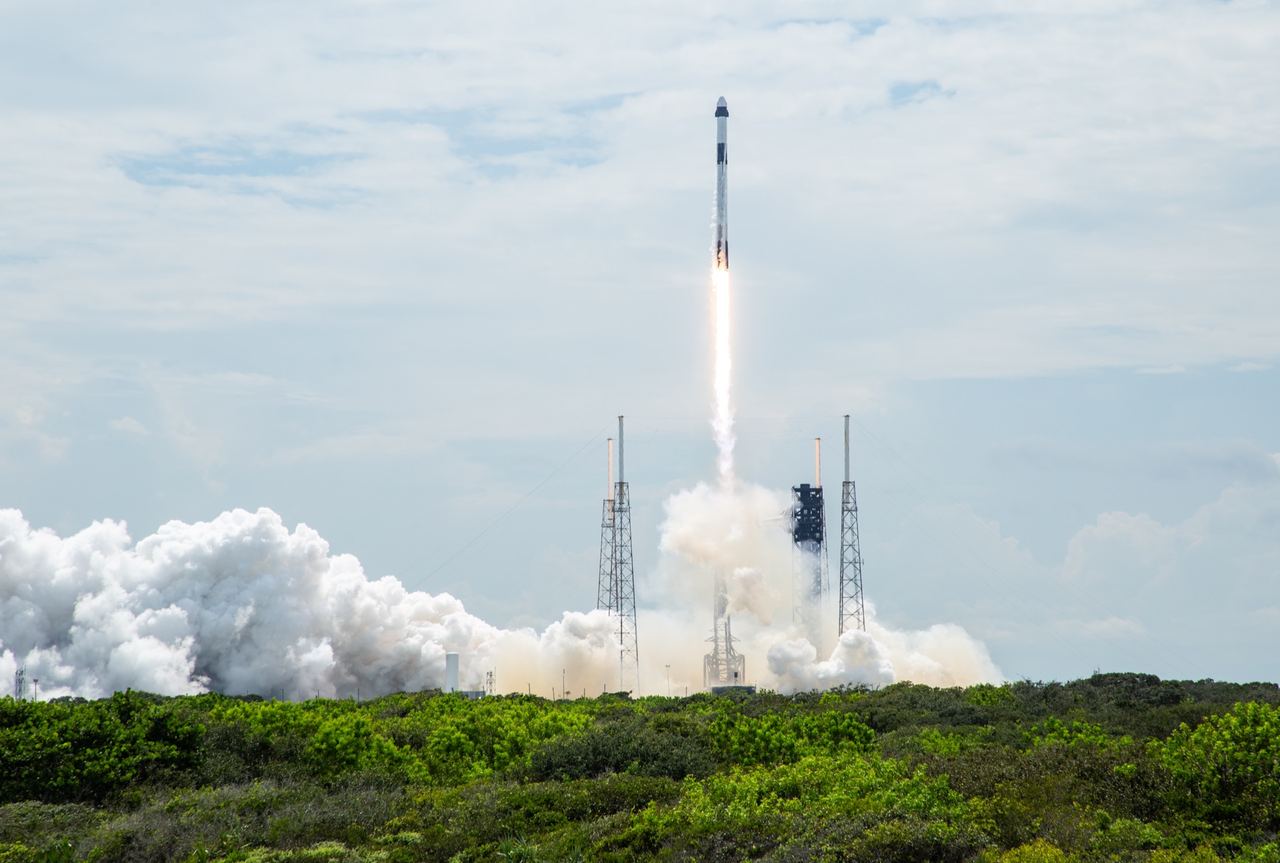
Photo Credit
Image courtesy of © NASA/Keegan BarberLaunch dates, the Visitor Complex warns, are always subject to change with little notice. Check its events calendar, sign up for its launch alerts and read its scrub policies before you leave the Gulf. The complex is open 9am–5pm and adds evening events in the holiday season, such as Kennedy Under the Stars: Holiday Edition on 19 December 2026, so a scrubbed launch need not mean a wasted night.
Our advice: Naples is on the opposite coast, so treat a launch as an overnight trip rather than a day out. Book the viewing ticket and a room near the Space Coast together, keep the next day free in case of a scrub, and arrive with time to clear security and catch the bus. Rockets, like dinner guests, are allowed to be late; the buses are not.
Why it's on our list
- The busiest coast in the sky
- Three places to stand
- Before you drive across
Location
The map comes from Google Maps, which sets its own cookies once it loads.
More in depth
 The ObservatoryA planetarium with mosquitoes: Big Cypress after darkFlorida’s dark sky preserve east of Naples, its winter star nights and why beach lights go out.
 The ObservatoryAutocomplete with ambitions: artificial intelligence in plain EnglishHow today’s AI is trained, where it shines, where it slips, and the questions worth asking.
 The ObservatoryEarthset, and the long road back to the MoonArtemis II’s record flight, a rehearsal in Earth orbit, and the many roads to the lunar south pole.