The Observatory
A planetarium with mosquitoes: Big Cypress after dark
Florida’s dark sky preserve east of Naples, its winter star nights and why beach lights go out.
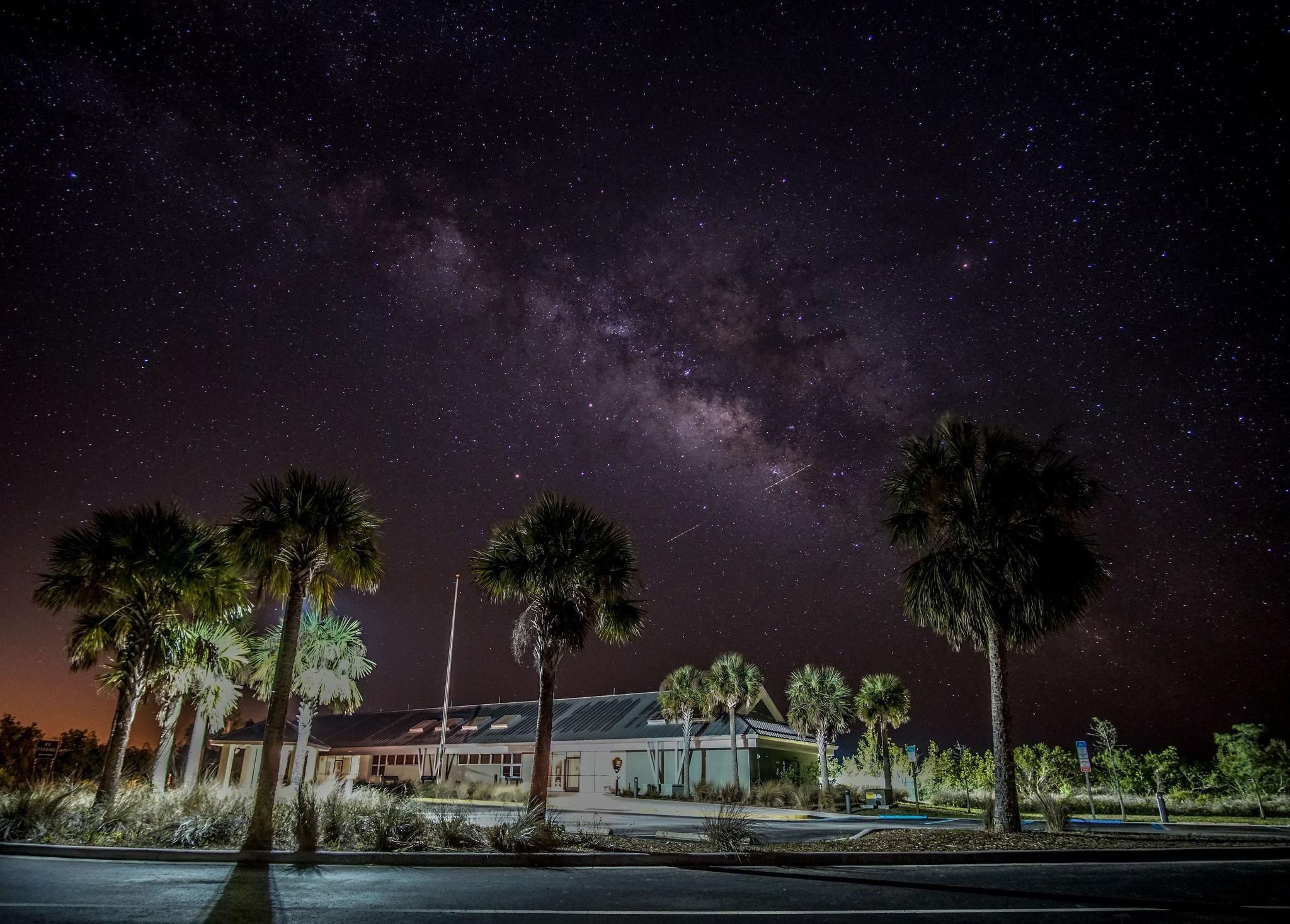
Photo Credit
Image courtesy of © Big Cypress National PreserveEast of Naples on the Tamiami Trail, Big Cypress National Preserve keeps one of the last protected night skies in south Florida. Here are its ranger-led astronomy evenings for winter 2026–27, what to bring, and why the beaches dim their lights each summer, checked against the National Park Service’s, the FWC’s and Collier County’s own pages in November 2026.
A preserve that dimmed its lights
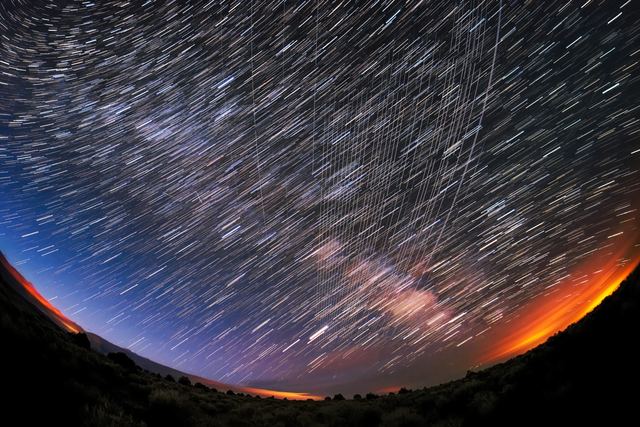
Drive east out of Naples after sunset and the glow in the mirror fades over the cypress, until the sky above the Tamiami Trail looks less like Florida and more like a planetarium with mosquitoes. The National Park Service says Big Cypress National Preserve keeps one of the last protected night skies in south Florida, dark enough to see the Milky Way and thousands of stars with the naked eye, no telescope required.
The status was earned with a toolkit. In 2016 the preserve became an International Dark Sky Park: the first National Park Service unit east of Colorado to earn the designation, the 16th in the country, and the second place in Florida after Kissimmee Prairie Preserve State Park. Staff set out when and where outdoor lighting is necessary, and the maintenance team assessed and modified hundreds of fixtures. Darkness, it turns out, takes upkeep.
On 7 November 2026 the preserve marked ten years as an International Dark Sky Park with a Dark Sky Celebration at the Nathaniel P. Reed Visitor Center, ending, naturally, with a ranger’s night sky programme. In its own words it now offers one of the darkest night skies in the eastern United States, a fine boast for a place whose better-known residents spend the evening floating in the canals.
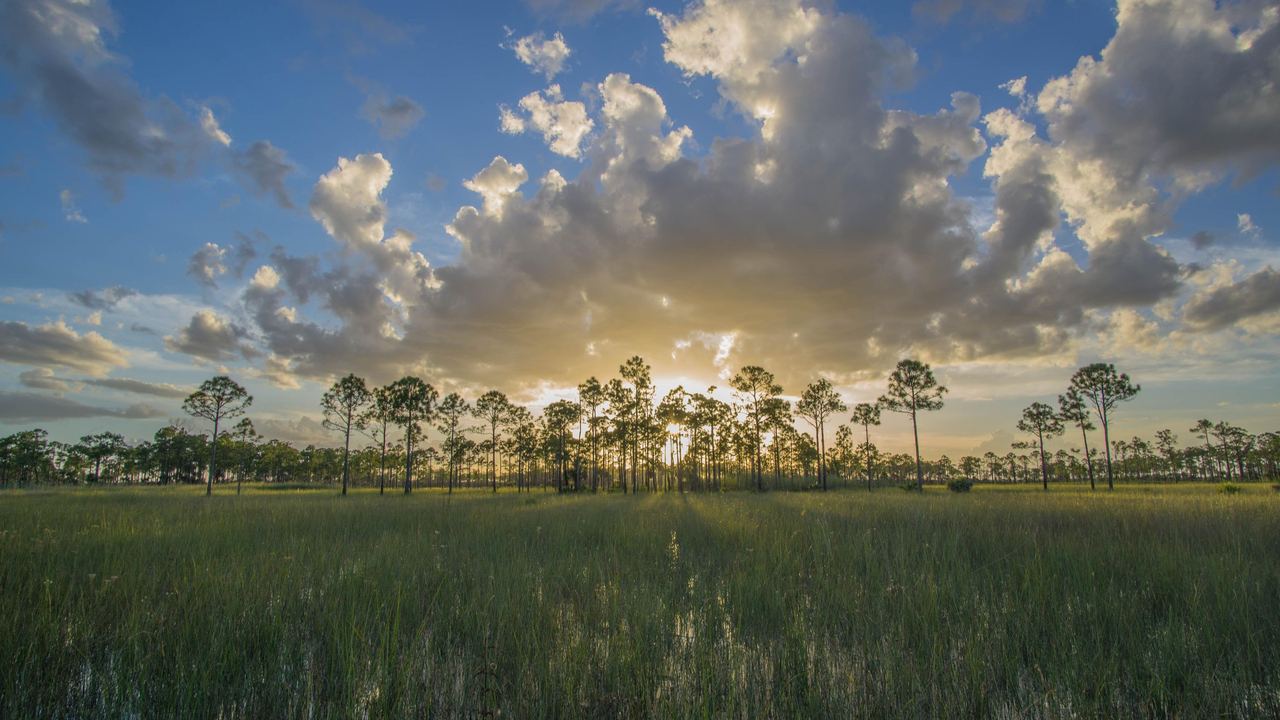
Photo Credit
Image courtesy of © Big Cypress National PreserveBig Cypress was established in 1974 to protect a landscape and its plants and animals from further harm, after drainage had badly damaged south Florida’s great shallow sheet of water. More than a million people visit the preserve each year; the night shift is by far the smallest, and arguably the luckiest, with the cypress domes turned to silhouettes and the sky doing the rest.
Winter nights with the rangers
The winter 2026–27 astronomy programme is ranger-led and open to everyone at no charge. It meets at the southern end of Seagrape Drive, east of the Nathaniel P. Reed Visitor Center at 33000 Tamiami Trail East, Ochopee, between mile markers 73 and 74 on US 41, east of SR 29. Dates are 12 December 2026 and 9 January 2027 at 7pm, then 6 February and 6 March 2027 at 7:30pm.
Telescopes turn, weather and Florida permitting, to stars, star clusters, planets, nebulae and galaxies, and local astronomy societies and individuals are welcome to bring their own binoculars and telescopes, which makes each evening something of a neighbourly star party. If the weather turns, the programme moves into the visitor centre auditorium, which seats 75 on a first-come, first-served basis.
The stars will wait; the mosquitoes will not.
Dress for it. There is no outdoor seating, so bring lawn chairs or a blanket; the park recommends trousers, long sleeves or a jacket and bug spray, because nights can be cool and damp and mosquitoes may be present. Only flashlights with red lenses are allowed, since white light spoils everyone’s night vision, and pets are asked to stay at home. The rangers’ phrase is kinder: leave all furry friends at home for the night.
Lights out for the turtles
On the beaches, darkness matters for another reason. The Florida Fish and Wildlife Conservation Commission explains that sea turtle hatchlings are born with the instinct to head for the brightest direction, which on a natural beach is the open horizon over the water. Artificial light can draw them inland instead, towards dehydration, predators or passing cars. It takes far less light to misdirect a hatchling than to put off a nesting mother.
So the FWC advises keeping beachfront lights off throughout the night from May to October, and asks beachgoers not to use flashlights or phones on the beach after dark; any light that can be seen from the sand should be long, low and shielded. In Collier County, a light that casts a visible shadow on the beach counts as a violation, and county staff inspect through the nesting and hatching season.
Our advice: watch the forecast, call the preserve’s information line on 239-695-1149 if in doubt, and set off early enough to see the sun go down over the pine and prairie on the way, then give your eyes time to settle before the telescopes come out, and leave the phone in your pocket. Spray the ankles first. The stars will wait; the mosquitoes will not.
Why it's on our list
- A preserve that dimmed its lights
- Winter nights with the rangers
- Lights out for the turtles
Location
The map comes from Google Maps, which sets its own cookies once it loads.
More in depth
 The ObservatoryAutocomplete with ambitions: artificial intelligence in plain EnglishHow today’s AI is trained, where it shines, where it slips, and the questions worth asking.
 The ObservatoryEarthset, and the long road back to the MoonArtemis II’s record flight, a rehearsal in Earth orbit, and the many roads to the lunar south pole.
 The ObservatoryPearls on a thread: the satellites that wired the skyStarlink, OneWeb, Amazon Leo and China’s networks: internet from orbit, and the night sky’s cost.